
Ativan (Lorazepam) Information & Usage
Understanding Ativan (Lorazepam): Clinical Uses and Safety
Apr
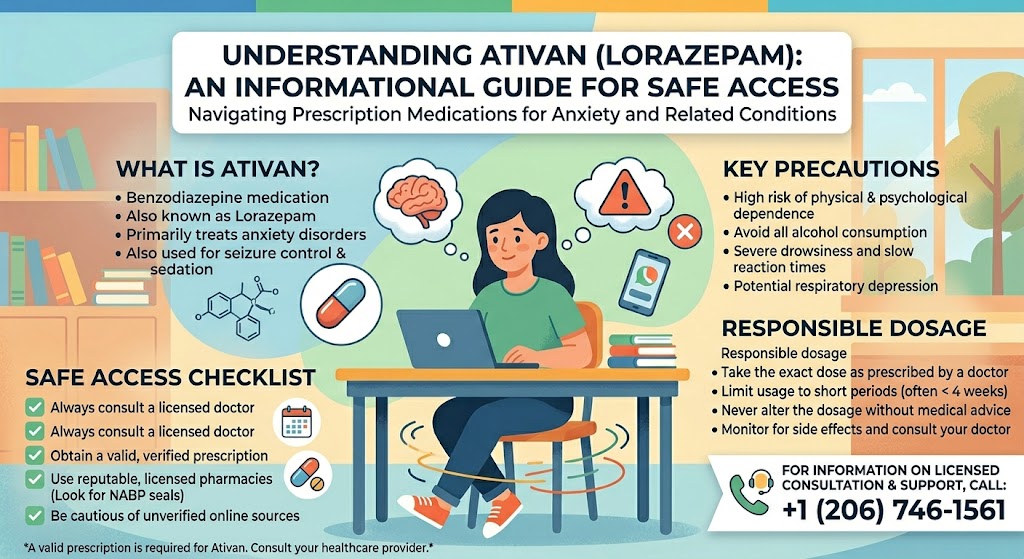
Ativan, the widely recognized brand name for the generic drug lorazepam, is a prescription medication in the benzodiazepine class. It functions by enhancing the activity of GABA, a calming neurotransmitter in the brain. Medically, it is highly valued for its fast-acting properties in treating severe anxiety disorders, acute seizures (status epilepticus), and as a pre-anesthetic medication.
Medical Administration of Ativan
Ativan must be taken strictly according to a doctor’s prescription. In outpatient settings, it is usually prescribed as an oral tablet to be taken two to three times a day. Because of its high potency and the risk of physical dependence, healthcare providers typically prescribe it for short-term use (usually no longer than 2 to 4 weeks) to manage acute symptoms.
Dangerous Interactions to Avoid
Black Box Warning: The concurrent use of Ativan with opioid medications, alcohol, or other central nervous system (CNS) depressants is strictly prohibited. Mixing these can result in profound sedation, severe respiratory depression, coma, and fatalities.
Patients should also avoid operating heavy machinery or driving until they know how this medication affects them, as it causes significant drowsiness and impairs motor skills.
Medical Benefits and Applications
- Anxiety Management: Provides rapid, short-term relief for disabling anxiety and panic symptoms.
- Seizure Control: Intravenous Ativan is a first-line hospital treatment for stopping prolonged, life-threatening seizures.
- Insomnia Relief: Can be used short-term for severe insomnia caused by transient stress or anxiety.
Appropriate Candidates for Ativan
Ativan is prescribed to adults suffering from severe, debilitating anxiety disorders or specific seizure disorders. Prescribers exercise extreme caution when treating elderly patients, as they are highly sensitive to benzodiazepines and face an increased risk of cognitive impairment, severe sedation, and dangerous falls.
Recent Medical Guidelines for Benzodiazepines
Current medical consensus strongly advocates for the deprescribing of benzodiazepines where possible. The FDA continues to emphasize the risks of prolonged use, highlighting that withdrawal symptoms can last for weeks or months. Modern psychiatric guidelines prioritize SSRIs, SNRIs, and behavioral therapies as the primary long-term treatments for anxiety.
Safe Storage Instructions
Oral Ativan tablets should be stored at controlled room temperature, between 68°F and 77°F (20°C to 25°C). The medication must be kept in a tightly closed container, protected from light and moisture. As a Schedule IV controlled substance, it must be stored securely to prevent diversion, misuse, or accidental ingestion by children.
Who Should Not Take Ativan
Ativan is strictly contraindicated for individuals who have:
- Acute narrow-angle glaucoma
- A known hypersensitivity to benzodiazepines
- Severe respiratory insufficiency or sleep apnea
- A history of severe liver disease
Clinical Perspectives on Lorazepam Use
“Lorazepam was highly effective at breaking the cycle of my acute panic attacks following a traumatic event. However, stepping down from the medication required a very strict schedule with my doctor to avoid rebound anxiety.” – Patient Experience Summary
Frequently Asked Questions About Ativan
Q: What is the difference between Ativan and Xanax?
A: Both are benzodiazepines used for anxiety, but they have different pharmacokinetic profiles. Xanax (alprazolam) has a faster onset and shorter duration of action, making it highly effective for panic attacks. Ativan (lorazepam) takes slightly longer to peak but lasts longer in the body, offering sustained anxiety relief.
Q: Does Ativan cause memory loss?
A: Yes, anterograde amnesia (difficulty forming new memories) is a known side effect of Ativan and other benzodiazepines, particularly at higher doses or when first starting the medication.